Hidden Gems In Lebanon
Lebanon is full of hidden gems—off-the-beaten-path natural wonders and historical sites that offer breathtaking views and unique experiences away from the usual tourist spots. From majestic waterfalls and serene lakes to ancient ruins and thrilling mountain adventures, these secret treasures showcase the country’s rich heritage and stunning landscapes. Among these, the top 5 hidden gems you shouldn’t miss are the Balaa Gorge Sinkhole, Chouwen Lake, Aaqoura Lakes, Jabal 40, and the Tripoli Abandoned Train Station—each offering its own unforgettable charm and story.
1. Baatara Gorge Waterfall
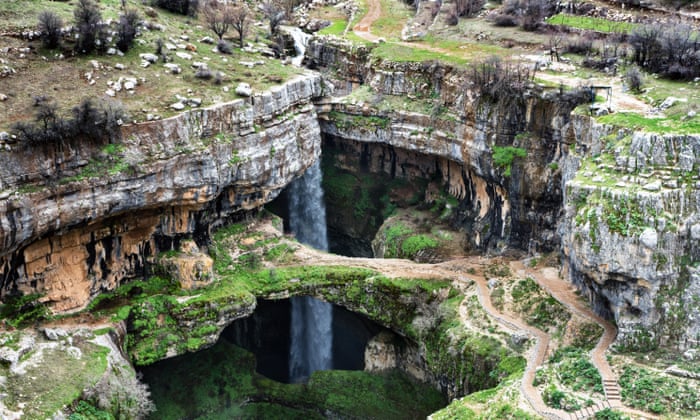
The Balaa Gorge Sinkhole (Baatara Gorge Waterfall): A Hidden Gem of Lebanon
The Balaa Gorge Sinkhole, also known as the Baatara Gorge Waterfall or Balou’ Bala’a, is one of Lebanon’s most stunning natural wonders. Located near the village of Balaa in the Tannourine region, this spectacular waterfall drops an impressive 255 meters (837 feet) into the Balaa Pothole, a cave formed from Jurassic limestone. It is situated along the famous Lebanon Mountain Trail (MLT), making it a popular destination for hikers and nature enthusiasts.
The cave, often called the Cave of the Three Bridges, is a remarkable geological formation. When traveling from Laklouk to Tannourine, visitors pass through the village of Balaa and soon reach the Three Bridges Chasm (known in French as Gouffre des Trois Ponts). Here, three natural limestone bridges rise one above the other, spanning a dramatic chasm that plunges deep into Mount Lebanon.
During the spring melt, the Baatara Waterfall comes alive with a powerful 90 to 100-meter (300 to 330 feet) cascade that flows behind the three bridges, continuing down into the 240-meter (790 feet) deep chasm below. This breathtaking sight attracts photographers and tourists alike.
The waterfall and sinkhole were first introduced to the Western world in 1952 by French bio-speleologist Henri Coiffait. Later, in the 1980s, the cave system was thoroughly mapped by the Spéléo Club du Liban. A 1988 fluorescent dye test revealed that the water from the sinkhole emerges at the spring of Dalleh in Mgharet al-Ghaouaghir, a location near Balaa.

2. Chouwen Lake
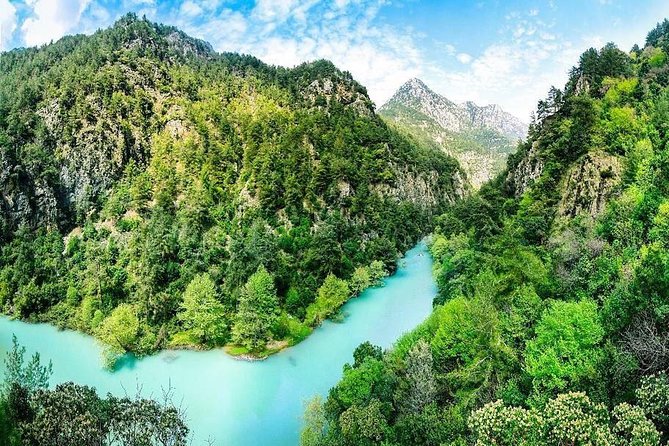
Chouwen Lake: One of Lebanon’s Hidden Natural Treasures
Chouwen Lake is one of Lebanon’s hidden gems, nestled within the breathtaking Jabal Moussa Biosphere Reserve. This serene lake forms part of the famous Ibrahim River, where water gathers and creates a picturesque natural pool.
To reach Chouwen Lake, start by heading to the village of Yahchouch. Along the way, you’ll find a sign directing you toward Chouwen. The drive takes about 15 minutes, but be cautious— the road narrows and becomes quite challenging in some parts. Drive slowly and soak in the surrounding nature’s beauty. If you’re lucky, you might even spot a squirrel darting through the pine trees, as we did, although it was too quick for a photo!
The hike to the lake covers nearly 2 kilometers and continues for another 2 kilometers beyond it. The trail features a mix of ascents and descents—despite the lake being situated at the bottom of the valley, the hike is roughly 60% downhill and 40% uphill.
Our journey took a little over an hour each way. We took it slow since my wife is pregnant, and we paused frequently to capture the stunning scenery in photographs.
Chouwen Lake and its surroundings offer a peaceful retreat for hikers and nature lovers seeking to explore Lebanon’s less-traveled paths.
3. Aaqoura Lakes
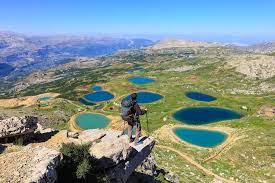
Aaqoura Lakes: A Hidden Gem Near Laqlouk, Lebanon
Aaqoura Lakes, located near the village of Laqlouk in the district of Jbeil, Mount Lebanon, is one of Lebanon’s lesser-known natural treasures. Situated approximately 68 kilometers from Beirut, this area spans around 15.78 square kilometers, offering visitors a peaceful retreat surrounded by stunning landscapes.
The name “Aaqoura” originates from an Assyrian term meaning “the cold well,” reflecting the cool, refreshing waters of the lakes. The history of the region dates back to the Roman era, adding a rich cultural dimension to its natural beauty.
Visitors can enjoy breathtaking views of the lakes from the Sayidat Al Qarn Church, a local landmark that overlooks the area. For those who enjoy hiking, there is a well-maintained stairway leading to the top viewpoint. This path is accessible and suitable for families, including children and elderly visitors.
Aaqoura Lakes is truly a hidden gem that combines natural beauty with historical significance, making it a must-visit spot for nature lovers exploring Mount Lebanon.
4. Jabal El Arbaaine
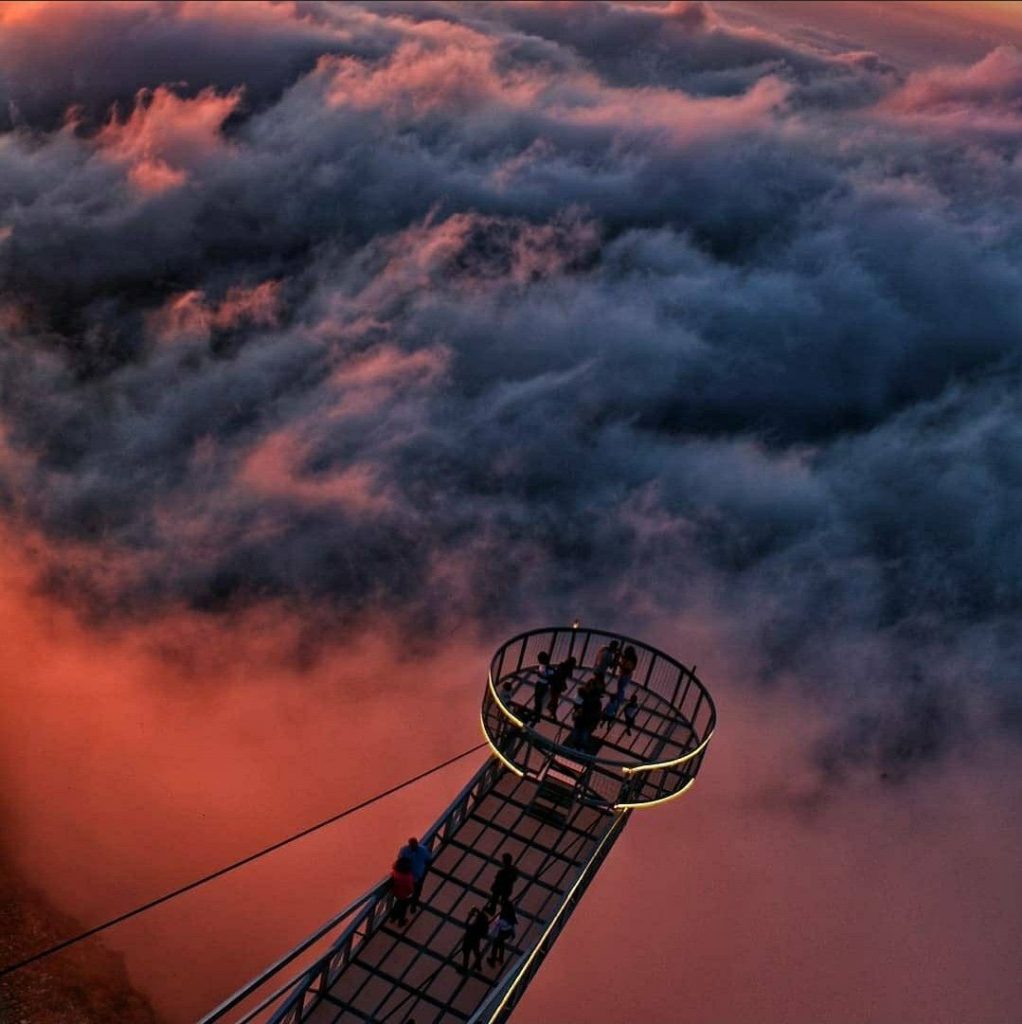
Jabal 40: One of Lebanon’s Hidden Gems with Breathtaking Views and Thrilling Adventures
Jabal 40, also known as Jabal el Arbaaine, is one of Lebanon’s best-kept secrets, offering stunning panoramic views of the surrounding mountains and valleys. Situated atop the Makmal Mountain Chain, it rises approximately 1,400 meters above sea level, providing visitors with a unique vantage point to experience Lebanon’s natural beauty.
Jabal 40 is famous for being home to the highest swing in the Middle East, an exhilarating attraction that lets thrill-seekers swing high above the breathtaking landscape. Adding to the excitement, a nearby 20-meter transparent glass hanging bridge offers incredible views and an unforgettable experience for visitors.
Thanks to its ideal location and elevation, Jabal 40 is also a popular spot for paragliding and skydiving enthusiasts looking to soar through the skies over Lebanon’s scenic mountains.
Whether you seek adventure or simply want to enjoy spectacular views, Jabal 40 is a must-visit destination for nature lovers and adrenaline junkies alike.
5. Tripoli Abandoned Train Station
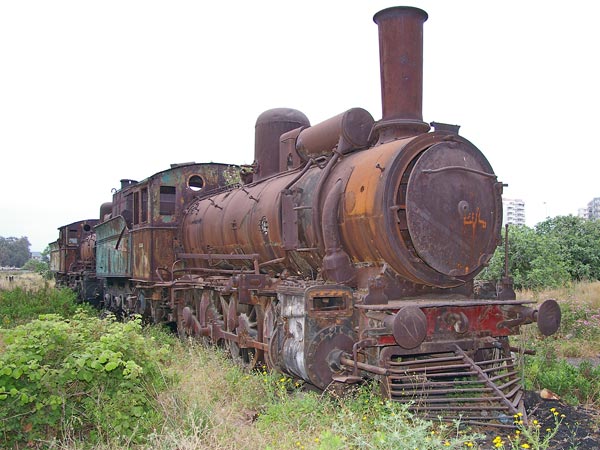
Tripoli Abandoned Train Station: A Historical Landmark in Lebanon
The Tripoli Abandoned Train Station, which began operating in 1911, once served as a vital connection to the Syrian city of Homs via a single railway track. This station played an important role in Lebanon’s transportation history.
During the 1920s, 1930s, and 1940s, the station functioned as the terminus of the famous Orient Express line, linking Tripoli to major cities across the region. In 1945, it was also connected to the Beirut central station, enhancing travel and trade opportunities.
Unfortunately, the station suffered significant damage during the Lebanese Civil War between 1975 and 1990, leading to its abandonment. Today, the Tripoli Abandoned Train Station remains a historical site and a symbol of Lebanon’s rich railway heritage.
