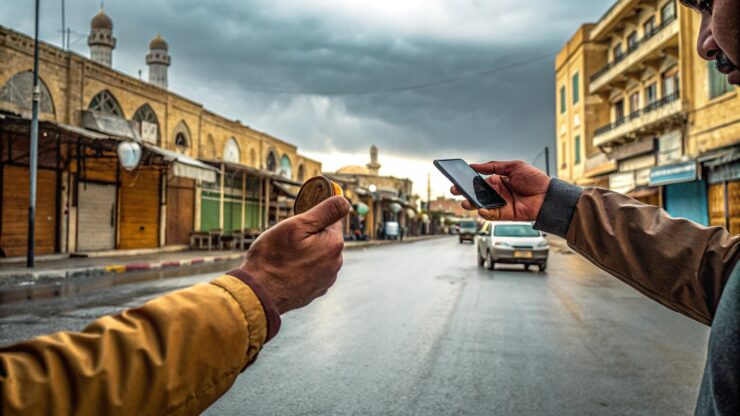
With the rise of Bitcoin, Ethereum, and other digital currencies, many wonder: Can Syrian businesses accept crypto as payment? The short answer is: not legally, but some still do. In this article, we explore the legal risks, the reality on the ground, and what crypto looks like in Syria’s fragile economy.
⚖️ Is Crypto Legal in Syria?
🚫 No Official Law Allows Crypto Transactions
Syria’s central banking system does not support or regulate cryptocurrency. As a result, crypto remains unrecognized and technically illegal for formal business transactions.
🛑 Risks of Using Crypto in Syrian Commerce
Using or promoting crypto can result in legal trouble. However, enforcement is inconsistent, and some individuals take the risk — especially in online freelance or tech circles.
🌐 Are People Actually Using Crypto Payments in Syria?
📲 Informal Use Among Tech-Savvy Syrians
Despite the legal gray zone, some Syrians do use crypto. For example, freelancers working for international clients often receive payments in Bitcoin or USDT, then convert to cash via trusted peers.
🧾 Do Physical Businesses Accept Crypto in Syria?
Very few — if any — brick-and-mortar stores accept crypto. Because of sanctions and internet limitations, setting up crypto wallets and exchanges is difficult. Still, some small e-commerce stores use crypto unofficially.
💻 How Do People Access and Use Crypto in Syria?
🌍 Limited Access to Exchanges
Most major crypto platforms block Syrian users due to U.S. sanctions. Therefore, people turn to VPNs and peer-to-peer networks. Meanwhile, Telegram groups have become informal crypto hubs.
🔄 Converting Crypto to Cash
Since official banks won’t touch crypto, users rely on direct swaps: person-to-person trades in lira, USD, or goods. Although risky, this remains the main option for crypto holders in Syria.
📈 Could Crypto Grow in Syria’s Future?
🔐 An Alternative to a Failing Currency
The Syrian pound has lost over 90% of its value since the war began. Because of this, many see crypto as a safer way to preserve value — especially stablecoins like USDT.
💡 But Major Obstacles Remain
Until there’s legal reform and stable internet infrastructure, crypto payments in Syria will stay underground. Nevertheless, interest continues to grow among younger generations.
📚 Final Thoughts: Can Syrian Businesses Accept Crypto?
So, can Syrian businesses accept crypto as payment? Not legally — but some do in quiet, creative ways. In reality, crypto in Syria operates beneath the surface, serving as both a workaround and a risk. Because of this, any business considering crypto in Syria should tread carefully.